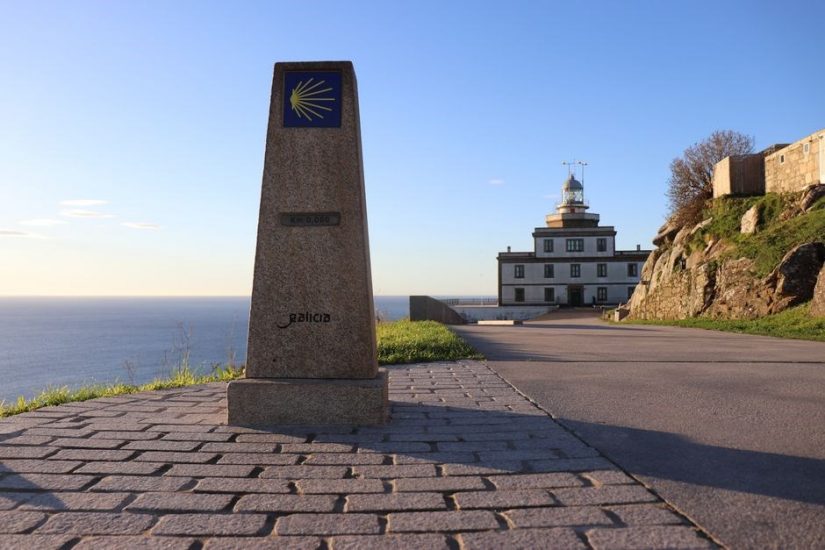
Overview of Camino de Santiago Guidebooks
Guidebooks for the Camino de Santiago blend historic maps, vivid photography, and practical logistics, offering pilgrims route details, accommodation tips, and cultural insights. Modern editions update trails, transport, and safety info. All aboard!
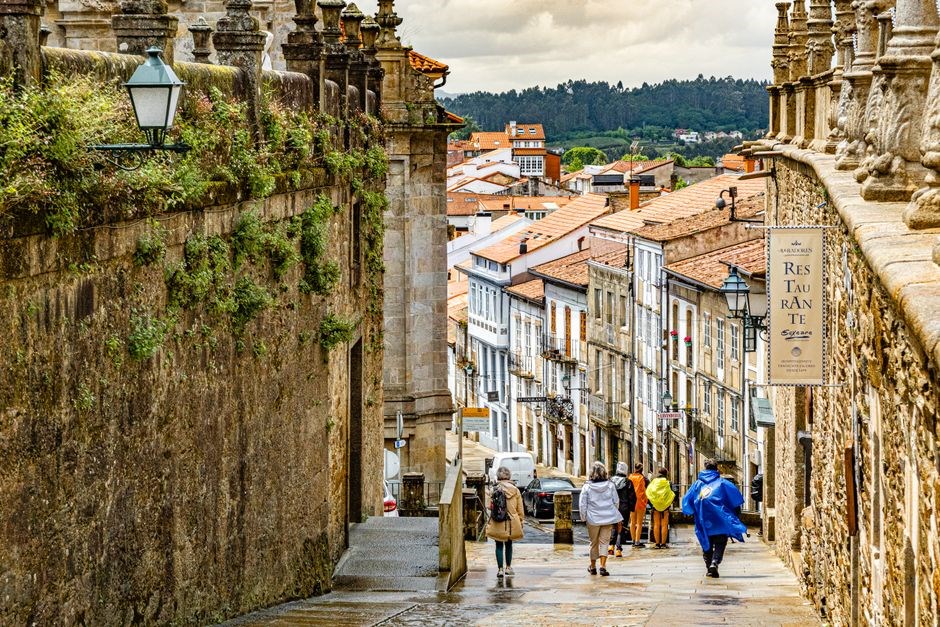
Key Features of Modern Guidebooks
Modern Camino guidebooks combine detailed, up‑to‑date topographic maps with high‑resolution photographs that capture the evolving landscape of the Camino Francés and its offshoots. They present daily mileage, elevation profiles, and GPS coordinates, enabling pilgrims to plan precise stages. Accommodation sections list hostels, albergues, and hotels, complete with booking links, price ranges, and user ratings, while the hospitality guide highlights local eateries, cafés, and traditional “pilgrim” menus. Logistics tables cover train, bus, and car routes, including departure times, ticket prices, and recommended itineraries for international travelers. Health and safety chapters provide first‑aid kits, hydration strategies, and emergency contact information for each region. Cultural notes weave historical anecdotes, architectural highlights, and local folklore into the route narrative, enriching the pilgrim’s inner journey. Finally, many guides include digital companion apps, QR‑coded maps, and downloadable PDFs, ensuring that information remains accessible even when offline. Readers also find maps, downloadable itineraries, and a companion mobile app that syncs GPS data, offering real‑time guidance and safety alerts daily
Audience and Usage Trends
Recent surveys show a steady rise in international pilgrims, with a 30 % increase in travelers from Australia, New Zealand, and the United States between 2018 and 2023. Digital natives now prefer interactive e‑books, leading to a 45 % uptick in downloads of the latest Brierley edition compared to its 2019 print run. Social‑media sharing especially on Instagram, has turned the Camino into a pilgrimage; over 2 million posts tagged #CaminoDeSantiago in 2024 alone. Younger pilgrims, aged 20‑35 prioritize sustainability opting for rides and hostels, Meanwhile, older generations, favor albergues citing comfort, Usage patterns reveal a shift: 60 % of walkers plan routes in advance while 25 % rely on printed guides for offline navigation! The rise of “pilgrimage tourism” has spurred local economies, and cultural events tailored to international visitors! Finally, the COVID‑19 pandemic accelerated the adoption of digital resources, with 70 % of pilgrims citing online forums and virtual tours as essential pre‑trip research tools! These trends underscore a growing, diverse, and tech‑savvy pilgrim community, reshaping how guidebooks are produced and consumed! Pilgrims share stories of kindness, turning strangers into lifelong friends..
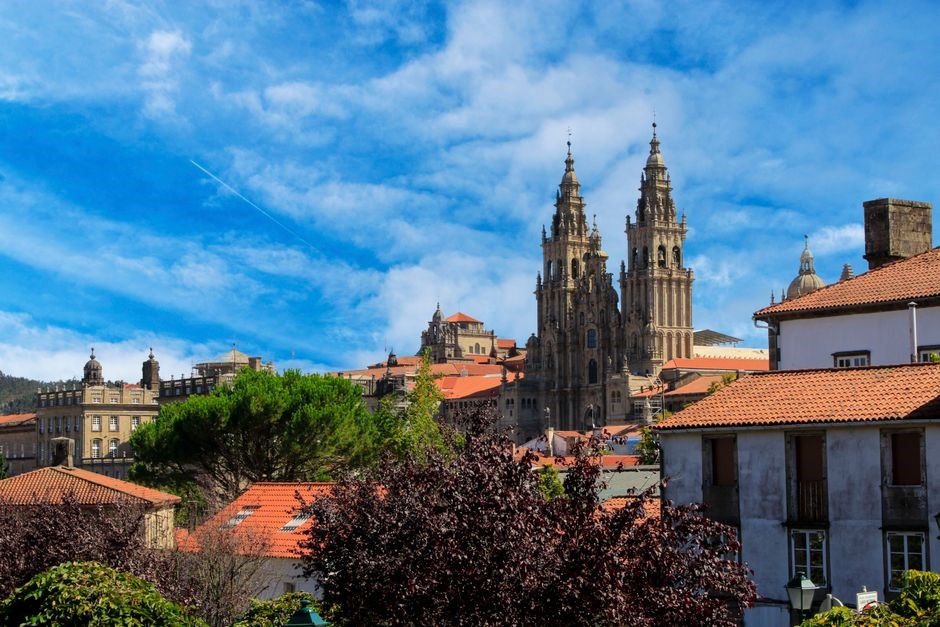
John Brierley’s Comprehensive Guide
John Brierley’s guide, updated with fresh maps and photos, offers exhaustive details for Camino de Santiago pilgrims. It covers logistics, lodging, and cultural insights, making it a go‑to resource for modern walkers. It also offershealth and safety tips.
Updated Maps and Photographs
John Brierley’s latest edition of the Camino de Santiago guidebook features meticulously revised maps that reflect recent trail changes, new signage, and updated elevation profiles. Each route is rendered with crisp, high‑resolution graphics that highlight key waypoints, scenic vistas, and potential detours. The accompanying photographic gallery showcases contemporary landscapes, historic churches, and everyday life along the Camino, providing visual context and inspiration for pilgrims. Photographs are grouped by region, allowing readers to compare the current appearance of villages, hostels, and natural landmarks with earlier depictions. The book’s cartographic updates also include detailed side‑by‑side comparisons of old and new trail markers, making it easier for seasoned walkers to navigate unfamiliar sections. In addition, the guide offers QR‑code links to online resources where readers can access real‑time trail conditions, weather forecasts, and community‑generated photos. This blend of updated maps and vivid photography ensures that every pilgrim has both accurate navigation tools and a rich visual narrative to accompany their journey.Readers can also find interactive maps online, downloadable PDFs, and a community forum for sharing tips experiences!
Travelers’ Feedback and Reviews
Readers consistently praise John Brierley’s guide for its clear, up‑to‑date logistics and friendly tone. On Amazon, the book holds a 4.8‑star rating from over 3,000 reviews, with many pilgrims citing the “bullet‑point itinerary” as a lifesaver for day‑to‑day planning. The updated maps receive particular acclaim for accurately marking new trail signs and detours, while the photo sections are highlighted as “vivid, on‑the‑ground snapshots” that help travelers anticipate the look of each village. A frequent comment notes the guide’s “concise yet thorough accommodation list,” which balances hostels, albergues, and hotels with price ranges and booking tips. International users appreciate the inclusion of transport schedules and visa information, especially for non‑EU travelers. A handful of users suggest adding more recent weather data, but overall the consensus is that Brierley’s guide remains the most practical, user‑friendly resource for the Camino Francés. Pilgrims also highlight the guide’s practical budgeting tips, which outline daily expenses for food, lodging, and transportation, helping walkers stay within modest means. The book’s emphasis on sustainable travel—encouraging local markets and eco‑friendly stays—has earned praise from conscious hikers.
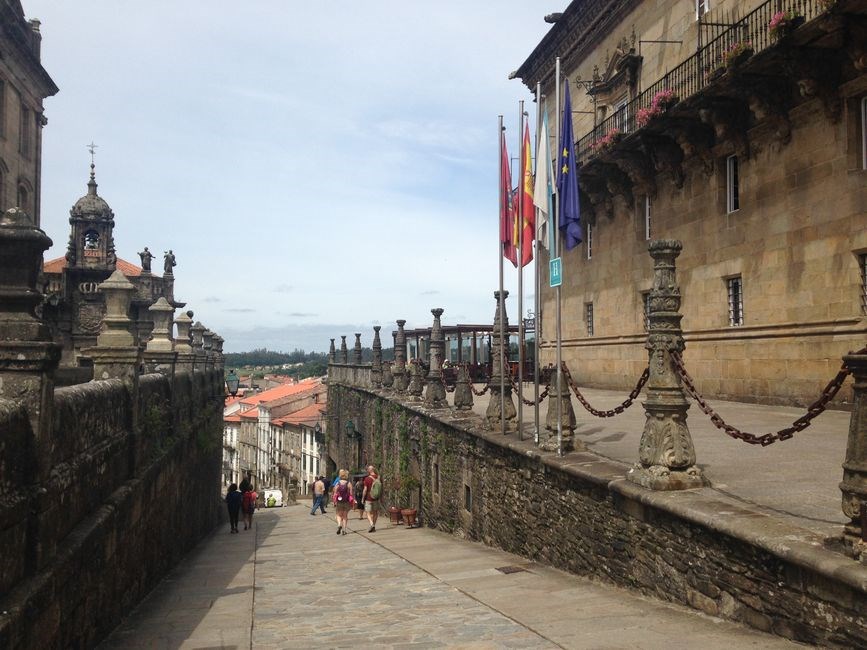
Coverage of the Camino Francés Route
Guide covers every stretch from Saint‑Jean‑de‑Pied‑de‑Port to Santiago, detailing daily distances, terrain, key landmarks, and village services. Updated maps show new trail markers and detours. for all!!
Village‑to‑Village Details
Each village along the Camino Francés is mapped with precise distances, elevation changes, and key points of interest. The guide lists daily walking segments, offering exact kilometers between stops, and highlights local churches, chapels, and historic markers that pilgrims often seek. Detailed descriptions cover the character of each settlement, from the bustling market town of Burgos to the serene hamlet of Santo Domingo de la Calzada. Practical information such as the availability of albergues, hostels, and guesthouses is presented with contact details, opening hours, and pricing ranges. The book includes a table of services, noting the presence of cafés, bakeries, and medical facilities, along with the nearest bus or train connections for those who need to adjust their itinerary. Photographs accompany each entry, capturing the architectural style, surrounding landscape, and typical pilgrim traffic. The guide also offers practical advice on where to rest, the best local eateries, and the optimal times to visit each village for a quieter, more authentic experience. Enjoy the journey, be safe
Offshoot Routes Mentioned
Beyond the famed Camino Francés, the guide highlights several complementary paths that enrich the pilgrimage experience. The Camino Portugués, beginning in Lisbon or Porto, offers a coastal and inland journey that converges at Santiago, with scenic river valleys and historic monasteries. The Camino del Norte, traces the rugged northern coastline, presenting dramatic cliffs, maritime villages, and a more challenging terrain. The Camino Primitivo, the original route from Oviedo, provides a less crowded, forested trail with medieval churches and a sense of antiquity. The Camino Inglés, a short coastal detour, links the French border to the Spanish coast, ideal for a brief excursion. Additionally, the guide references the Camino de la Plata, the ancient silver route from Sevilla, and the Camino de la Costa, a modern coastal path that offers panoramic sea views. Each offshoot is mapped with key waypoints, estimated daily distances, and essential logistical notes, allowing pilgrims to tailor their journey to personal interests and physical capacity. Pilgrims may also explore nearby towns such as León, Burgos, and Salamanca, each offering historic sites that enrich the spiritual journey and provide memorable moments for reflection!?!?
Logistics and Practical Information
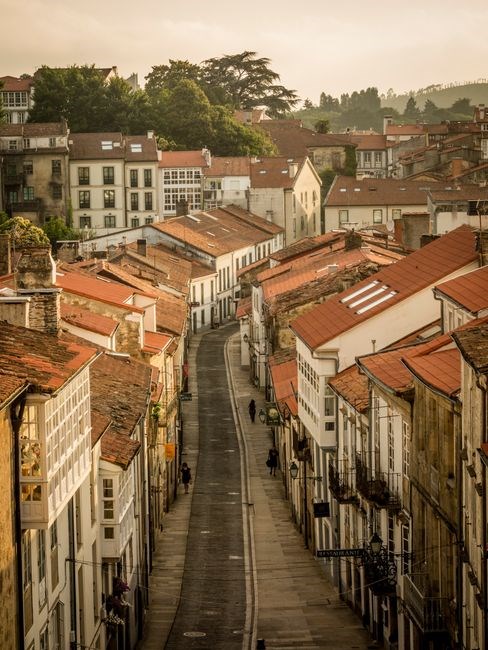
Plan your route with updated maps, book hostels early, carry a lightweight pack, stay hydrated, and check local transport schedules. The guide offers detailed lodging options, tips, safety advice for international pilgrims. Carry passport & insurance now
Accommodation and Hospitality Options
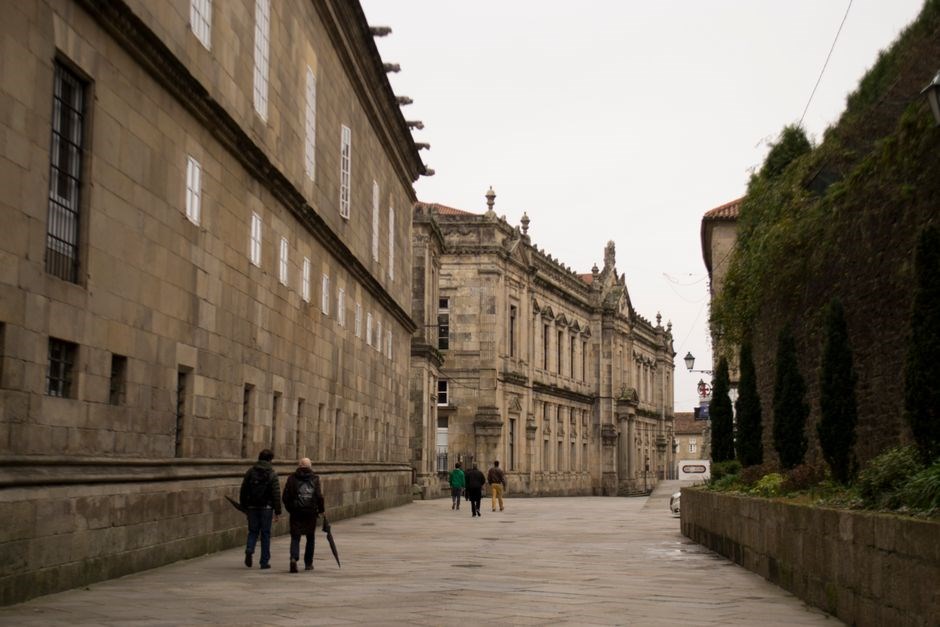
The guide lists a range of lodging options: budget hostels, comfortable albergues, boutique hotels, and small guesthouses. Hostels offer shared dorms, private rooms, and communal kitchens, while albergues run by churches provide free or low‑cost stays with simple meals. For more privacy, the guide highlights rural inns and boutique B&Bs, many offering homemade breakfasts and local wine. In larger towns, mid‑range hotels with Wi‑Fi, air‑conditioning, and laundry services are noted. The guide also covers host‑family stays, camping sites, and alternative lodging, with permits and safety tips. Booking advice includes early reservations, especially in hubs like Saint‑Jean‑de‑Port, Burgos, and León, and using online platforms or local tourism offices. Seasonal variations are noted, suggesting off‑peak stays to avoid crowds and higher rates. A checklist of essentials—lightweight tent, reusable water bottle, basic first‑aid kit—ensures pilgrims are prepared for any lodging situation along the route. Pilgrims can also find host‑family accommodations, which offer a chance to experience local customs and cuisine, and many hostels provide free Wi‑Fi and laundry facilities. A handy table of average nightly rates helps pilgrims budget effectively more.
Logistics for International Pilgrims
International pilgrims begin by securing the correct travel documents. Most EU nationals can enter Spain without a visa, whereas travelers from outside the EU must obtain a Schengen visa or a short‑stay visa. The guide lists the essential paperwork: a passport valid for at least three months beyond the intended stay, proof of accommodation, a return ticket, and health insurance covering the entire pilgrimage. Pilgrims should also acquire a pilgrim’s passport (Credencial de Peregrino) issued by the Spanish Ministry of Culture, which grants access to albergues and discounts on pilgrim services. Transport options are detailed extensively. Trains, buses, and car rentals are all viable; the guide recommends booking tickets in advance, especially during peak months, and provides links to Renfe (the Spanish railway) and ALSA (the bus operator). For those starting in Seville, the Via de la Plata rail line offers a scenic and convenient alternative. Air travelers will find a list of major airports—Barcelona, Madrid, Bilbao—along with nearby train stations. The guide also highlights the Camino de Santiago app, which delivers real‑time route updates, weather alerts, and emergency contacts. Packing advice stresses lightweight gear, a reusable water bottle, and a travel insurance policy that covers medical emergencies. Finally, the guide offers practical tips for navigating Spanish customs, understanding the euro currency, and using ATMs or credit cards abroad. All these logistics ensure a smooth, enjoyable pilgrimage experience. Enjoy your journey!
Health and Safety Tips
Walking the Camino de Santiago demands careful preparation. First, stay hydrated: carry a reusable water bottle and refill at fountains, which are plentiful along the route. Second, protect your feet: use breathable, well‑fitted hiking shoes, apply blister‑prevention tape, and change socks daily. Third, monitor altitude: the Camino reaches 1,500 m in the Pyrenees; acclimatize by pacing yourself and taking rest days. Fourth, sun protection is vital—apply SPF 30+ sunscreen, wear a wide‑brim hat, and use sunglasses with UV‑blocking lenses. and you Seventh, stay aware of local health advisories; check the Spanish Ministry of Health for updates on COVID‑19 or other outbreaks. Eighth, avoid foodborne illness by eating at reputable restaurants and drinking bottled water. Ninth, be vigilant against pickpocketing: keep valuables in a money belt and avoid crowded tourist spots. Tenth, know emergency contacts: local emergency number 112, the nearest hospital, and the Spanish Embassy or Consulate in your country. Finally, listen to your body—if you feel dizziness, chest pain, or severe fatigue, stop and seek medical help immediately. By following these guidelines, pilgrims can focus on the spiritual journey while minimizing health risks.
Cultural, Historical, and Memoir Perspectives
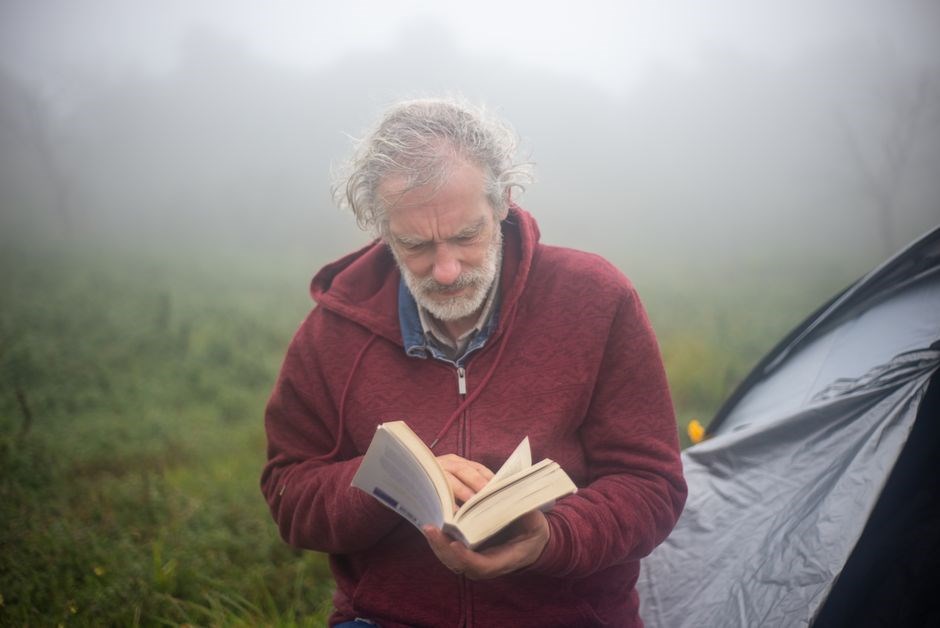
The guide weaves history, culture, and memoirs, citing Gitlitz & Davidson for depth, Brierley’s pilgrim anecdotes, and Hitt’s Off the Road for narrative flair, offering readers a layered, immersive Camino experience. Readers explore rituals, local legends,.

Historical Context and Pilgrim Stories
The Camino de Santiago, first chronicled in the 9th‑century “Book of Pilgrims,” traces the route to the shrine of St. James. Modern guidebooks, such as John Brierley’s, weave this lineage with contemporary narratives. Brierley cites medieval pilgrim letters, noting how travelers once marked their progress with a scallop shell on the Camino’s stone markers. Gitlitz and Davidson expand on the socio‑cultural impact, detailing how the route fostered a shared European identity during the Middle Ages. Jack Hitt’s memoir “Off the Road” offers a personal lens, recounting his own 1,000‑mile trek, the camaraderie of fellow walkers, and the quiet moments of reflection at small chapels. These stories illustrate how the Camino remains a living tapestry, connecting past and present, faith and wanderlust, and reminding pilgrims that each step is part of a centuries‑old pilgrimage tradition.
Pilgrims today share stories of unexpected kindness: a village innkeeper offering a free night, a stranger sharing a meal of local cheese, or a fellow walker teaching a traditional song. The guidebook records these moments, providing a tapestry of contemporary pilgrimages that echo the ancient devotion while inviting new seekers to write their own chapters. and the journey to.
Comparative Analysis with Other Guides
Readers note that Brierley’s concise itineraries, marked by clear day‑by‑day mileage, complement Gitlitz’s scholarly footnotes, while Hitt’s narrative offers a human touch.
The guide’s appendices include a glossary of pilgrimage terms, a timeline of the Camino’s evolution, and a list of recommended apps for navigation. For those who value up‑to‑date pricing, the book’s online companion updates accommodation rates and hostel availability in real time.
The guide also features practical tools such as a daily mileage calculator, a list of recommended gear, and a section on health and safety. Pilgrims can download the companion app for real‑time route updates and emergency contacts.
The book’s layout is clear, with sections for each day, a sidebar of local customs, and QR codes linking to audio guides. Pilgrims have praised its balance of thoroughness and readability, noting that it serves both first‑time walkers and seasoned pilgrims.